
Embracing the Beauty of Minimalist Design

Updated: Feb 2
Understanding Minimalist Design Trends
Minimalist design trends focus on reducing clutter and emphasizing clean lines, neutral colors, and purposeful use of space. These trends evolve over time but maintain core principles that prioritize simplicity and functionality.
Some current minimalist design trends include:
Monochromatic color schemes: Using shades of a single color to create harmony.
Natural materials: Incorporating wood, stone, and metal to add texture without overwhelming the senses.
Open spaces: Designing rooms with fewer walls and more flow.
Multi-functional furniture: Pieces that serve more than one purpose to maximize space.
Minimal decor: Choosing a few statement pieces rather than many small items.
For example, Scandinavian interiors often embody these trends with their light wood floors, white walls, and simple yet cozy furnishings. This approach creates a calm and inviting atmosphere that feels both modern and timeless.

What is Modern Minimalist Design?
Modern minimalist design is a refined approach to minimalism that integrates contemporary elements with traditional minimalist principles. It emphasizes clean lines, uncluttered spaces, and a restrained color palette but also embraces innovation in materials and technology.
Key characteristics include:
Sleek, geometric shapes: Furniture and decor often feature sharp edges and smooth surfaces.
Functional aesthetics: Every item has a purpose, eliminating unnecessary ornamentation.
Use of light: Natural and artificial lighting is carefully planned to enhance space and mood.
Sustainability: Eco-friendly materials and energy-efficient designs are increasingly important.
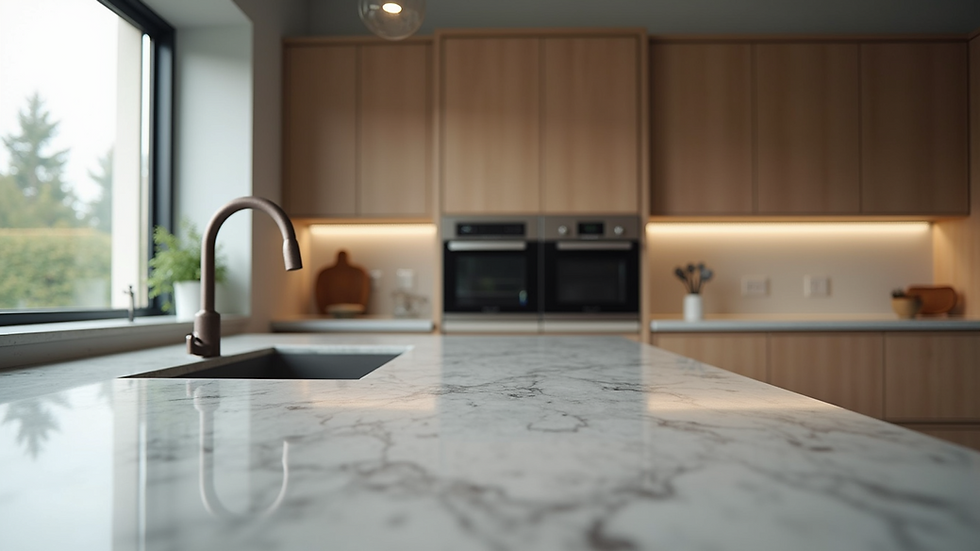
A practical example is a kitchen designed with handleless cabinets, integrated appliances, and a simple island that doubles as a dining table. This setup maximizes usability while maintaining a clean look.
How to Incorporate Minimalist Design Trends in Your Space
Adopting minimalist design trends can transform your home or workspace into a serene and efficient environment. Here are actionable steps to get started:
Declutter ruthlessly
Remove items that do not serve a purpose or bring joy. Keep surfaces clear and storage hidden.
Choose a neutral palette
Stick to whites, greys, beiges, and muted tones. Add contrast with black or deep colors sparingly.
Invest in quality over quantity
Select fewer pieces of furniture and decor but ensure they are well-made and timeless.
Focus on lighting
Use a combination of natural light, recessed lighting, and minimalist fixtures to create ambiance.
Incorporate natural elements
Add plants, wooden textures, or stone accents to soften the space and connect with nature.
Opt for multi-functional furniture
Use foldable tables, storage ottomans, or sofa beds to maximize space efficiency.
By following these guidelines, you can create a space that feels open, calm, and stylish without sacrificing comfort or practicality.
The Role of Color and Texture in Minimalist Design
While minimalist design often relies on neutral colors, texture plays a crucial role in adding depth and interest. Without texture, a minimalist space can feel cold or sterile.
Consider these tips:
Mix matte and glossy finishes: For example, pair a matte wall with a glossy ceramic vase.
Use textiles: Soft cushions, wool throws, or linen curtains add warmth.
Incorporate natural textures: Wood grain, stone surfaces, and woven baskets bring organic appeal.
Add subtle patterns: Geometric or linear patterns in rugs or wallpaper can enhance visual interest without overwhelming.
Color accents should be used sparingly but thoughtfully. A single bold piece, like a deep blue chair or a vibrant plant pot, can become a focal point in an otherwise neutral room.
Why Choose Modern Minimalist Design?
Choosing modern minimalist design offers numerous benefits beyond aesthetics. It promotes mental clarity by reducing visual noise and encourages mindful living by focusing on essentials.
Some advantages include:
Easier maintenance: Fewer items mean less cleaning and organizing.
Enhanced functionality: Spaces are designed to serve specific purposes efficiently.
Timeless appeal: Minimalist interiors rarely go out of style.
Sustainability: Emphasizing quality and longevity reduces waste.
Improved wellbeing: Calm environments can reduce stress and improve focus.
Conclusion: The Essence of Minimalism
Minimalist design is more than a style - it is a lifestyle choice that values simplicity, purpose, and beauty. By understanding its core principles and current trends, you can create spaces that inspire calm and creativity every day.
Incorporating minimalist design into your life can lead to a more balanced and enjoyable living space. Embrace the beauty of simplicity and let your environment reflect your values.


Comments