
Embrace the Benefits of Minimalist Construction with Modern Minimalist Design

Minimalism has become more than just a trend in architecture and interior design. It is a lifestyle choice that emphasizes simplicity, functionality, and elegance. By embracing minimalist construction, you can create spaces that are not only visually appealing but also practical and sustainable. This blog post explores the many benefits of minimalist construction and how it can transform your living or working environment.
The Benefits of Minimalist Construction
Minimalist construction offers numerous advantages that go beyond aesthetics. Here are some key benefits:
Cost Efficiency: Minimalist designs often require fewer materials and simpler construction techniques. This can significantly reduce building costs and ongoing maintenance expenses.
Enhanced Functionality: By focusing on essential elements, minimalist spaces eliminate clutter and improve usability. Every feature serves a purpose, making daily activities more efficient.
Sustainability: Using fewer resources and prioritizing quality over quantity aligns with eco-friendly building practices. Minimalist construction often incorporates energy-efficient materials and designs.
Timeless Appeal: Minimalist architecture tends to avoid overly trendy details, resulting in spaces that remain stylish and relevant for years.
Improved Well-being: Clean, open spaces can reduce stress and promote mental clarity. Minimalist environments encourage mindfulness and relaxation.
These benefits make minimalist construction an attractive option for homeowners, businesses, and developers alike.
What is Modern Minimalist Design?
Modern minimalist design is a refined approach to minimalism that combines simplicity with contemporary aesthetics. It focuses on clean lines, neutral color palettes, and open spaces. The goal is to create environments that feel spacious, calm, and uncluttered without sacrificing comfort or style.
Key characteristics of modern minimalist design include:
Open Floor Plans: Spaces flow seamlessly from one area to another, enhancing natural light and ventilation.
Neutral Colors: Whites, grays, and earth tones dominate, creating a soothing backdrop.
Functional Furniture: Pieces are chosen for their utility and sleek appearance, often with hidden storage.
Minimal Decor: Art and accessories are carefully selected to complement rather than overwhelm.
Natural Materials: Wood, stone, and metal add texture and warmth while maintaining simplicity.
By integrating these elements, modern minimalist design creates spaces that are both beautiful and practical.

Practical Tips for Implementing Minimalist Construction
If you want to embrace minimalist construction, here are some actionable recommendations:
Plan Thoroughly: Start with a clear vision of your needs and priorities. Identify which spaces and features are essential.
Choose Quality Over Quantity: Invest in durable materials and well-crafted furniture that will last.
Maximize Natural Light: Use large windows, skylights, and reflective surfaces to brighten interiors.
Simplify Storage: Incorporate built-in cabinets and multifunctional furniture to keep clutter out of sight.
Limit Color Palette: Stick to a few harmonious colors to maintain visual coherence.
Focus on Clean Lines: Avoid ornate details and opt for smooth surfaces and geometric shapes.
Incorporate Greenery: Add plants to bring life and freshness without overwhelming the space.
By following these steps, you can create a minimalist environment that is both stylish and functional.
How Minimalist Construction Enhances Sustainability
Sustainability is a major advantage of minimalist construction. Here’s how it contributes to a greener future:
Reduced Material Waste: Minimalist designs use fewer materials, which means less waste during construction.
Energy Efficiency: Open layouts and strategic window placement improve natural ventilation and lighting, reducing energy consumption.
Long-lasting Materials: Choosing high-quality, sustainable materials decreases the need for frequent replacements.
Smaller Footprint: Compact designs require less land and resources, preserving natural habitats.
Encourages Mindful Consumption: Minimalism promotes buying only what is necessary, reducing overall environmental impact.
These factors make minimalist construction a responsible choice for environmentally conscious individuals and organizations.
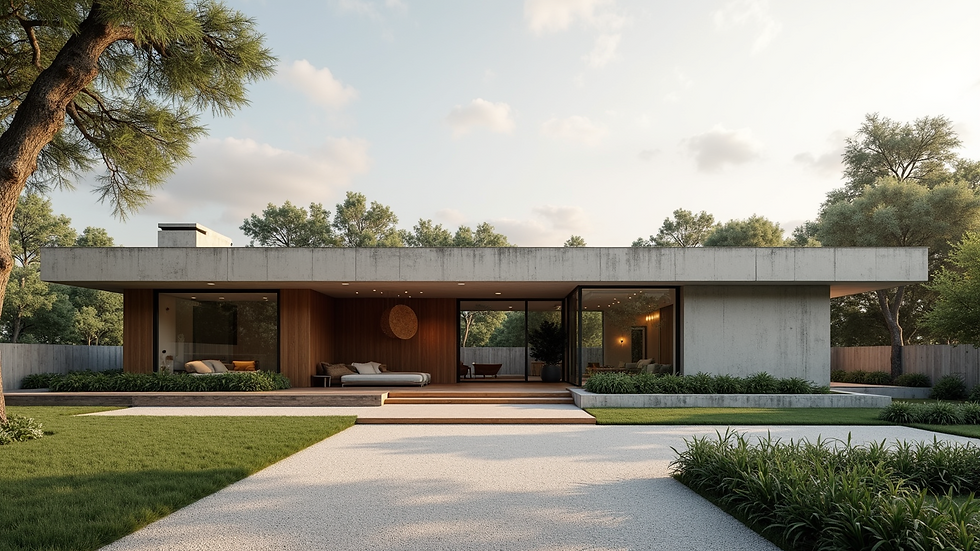
Embracing the Future with Minimalist Construction
Minimalist construction is more than just a design style - it is a way to improve how we live and work. By focusing on simplicity, functionality, and sustainability, it offers a path to creating spaces that are both beautiful and meaningful. Whether you are building a new home, renovating an office, or designing a public space, embracing minimalist construction can lead to lasting benefits.
Explore how modern minimalist design) can transform your environment and enhance your quality of life. The future of architecture and design is clear, clean, and minimal - and it’s waiting for you to make it your own.


Comments